 Call us now:

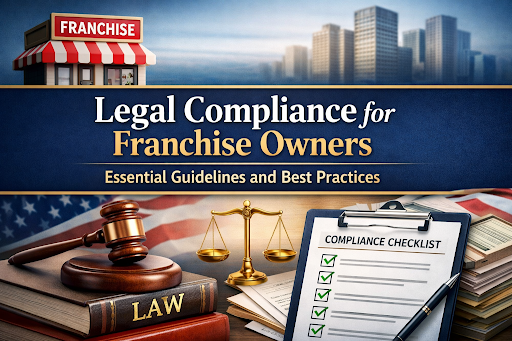
Franchising is an excellent way to start a business with an established brand, a proven business model, and operational support. However, owning a franchise comes with a unique set of legal responsibilities. Compliance with laws and regulations is not just a legal requirement—it protects your investment, reputation, and long-term success. In this guide, we’ll explore the essential legal compliance requirements for franchise owners and share best practices to ensure your business operates smoothly and lawfully.
Understanding Franchise Legal Compliance
Franchise legal compliance refers to adhering to all laws, regulations, and contractual obligations that apply to franchised businesses. Franchise agreements, federal and state laws, labor regulations, tax requirements, and intellectual property rules all fall under this umbrella.
Ignoring compliance can lead to penalties, lawsuits, or even termination of your franchise agreement. Therefore, it is crucial to understand your responsibilities as a franchise owner.
Key Legal Areas for Franchise Owners
1. Franchise Disclosure Documents (FDD)
Before signing a franchise agreement, the franchisor provides a Franchise Disclosure Document (FDD). This legal document outlines crucial information, including:
- The company’s financial performance
- Fees and royalties
- Franchisee obligations
- Territorial rights
- Renewal and termination terms
Best Practice: Read the FDD carefully and consult a franchise attorney to understand every clause. Ensure that any promises made verbally are also documented in the FDD.
- Franchise Agreement Compliance
The franchise agreement is a binding contract between you and the franchisor. It sets the rules for operating your franchise, including:
- Use of trademarks and branding
- Operational standards and procedures
- Marketing and advertising guidelines
- Reporting and recordkeeping requirements
Best Practice: Maintain strict adherence to the franchise agreement. Non-compliance can result in legal disputes or termination of the franchise.
- Intellectual Property Protection
Franchises rely heavily on trademarks, logos, and proprietary business methods. Using these without proper authorization can lead to legal action.
Best Practice: Always use the franchisor’s intellectual property as outlined in your agreement. Avoid creating unauthorized modifications or derivatives that could infringe on trademark rights.
- Employment and Labor Law Compliance
As a franchise owner, you are responsible for complying with employment laws, including:
- Minimum wage and overtime regulations
- Anti-discrimination laws
- Employee benefits and safety standards
Best Practice: Keep detailed employee records, provide proper training, and stay updated on federal and state labor laws to prevent disputes or penalties.
- Health and Safety Regulations
Many franchises, especially in the food and hospitality sector, must comply with local health and safety laws.
Best Practice: Schedule regular inspections, follow safety protocols, and maintain clean, safe working environments for both employees and customers.
- Tax Compliance
Franchise owners are responsible for filing taxes correctly and on time. This includes:
- Federal, state, and local income taxes
- Payroll taxes
- Sales tax (if applicable)
- Franchise-specific fees and royalties
Best Practice: Hire a qualified accountant familiar with franchise taxation to ensure accurate filings and avoid penalties.
- Advertising and Marketing Compliance
Franchise agreements often include strict marketing and advertising guidelines. Misrepresentation of products, services, or pricing can lead to legal issues and damage your brand reputation.
Best Practice: Follow franchisor-approved marketing materials and campaigns. Any custom advertising should be pre-approved to ensure compliance.
Best Practices for Legal Compliance
- Regularly Review Your Agreement: Keep up with updates from the franchisor and make sure your operations align with current requirements.
- Hire Legal and Accounting Professionals: Franchise attorneys and accountants can help you navigate complex regulations.
- Stay Educated: Attend franchisor training sessions, webinars, and industry seminars to remain informed.
- Maintain Accurate Records: Track financial statements, employee data, and operational logs for audits or inspections.
- Open Communication with Franchisor: Report issues promptly and seek guidance to prevent compliance breaches.
Common Legal Pitfalls to Avoid
- Ignoring Franchise Fees: Missing payments can lead to legal disputes and termination.
- Violating Brand Guidelines: Unauthorized use of trademarks or logos can result in lawsuits.
- Neglecting Employee Rights: Failing to comply with labor laws can lead to fines and reputational damage.
- Overlooking Tax Obligations: Late or incorrect filings may trigger penalties and audits.
- Non-Disclosure of Conflicts: Not disclosing legal issues or criminal history can void your franchise agreement.
FAQs About Franchise Legal Compliance
- What is the difference between the FDD and the franchise agreement?
The FDD provides information about the franchise, including fees, obligations, and financial performance. The franchise agreement is the legal contract you sign, outlining the rules for operating your franchise. - Do franchise owners need a lawyer?
While not mandatory, hiring a franchise lawyer is highly recommended to review agreements, understand legal obligations, and prevent costly mistakes. - Can I make changes to the franchise operations?
Any operational changes must be approved by the franchisor. Unauthorized changes may violate your agreement and lead to penalties. - How often should I review compliance requirements?
Review compliance requirements regularly—at least annually—and stay updated with changes in laws, labor regulations, and franchisor policies. - What happens if I don’t comply with the franchise agreement?
Non-compliance can result in penalties, legal disputes, fines, or even termination of your franchise agreement.
Conclusion
Owning a franchise offers many advantages, but it also comes with legal responsibilities that cannot be ignored. From understanding your franchise agreement to complying with labor, tax, and safety laws, legal compliance is crucial for your success. By following best practices, staying informed, and consulting professionals when needed, franchise owners can operate confidently while protecting their investment and reputation.
Remember, compliance is not a one-time task—it is an ongoing commitment that ensures the long-term growth and sustainability of your franchise.