 Call us now:

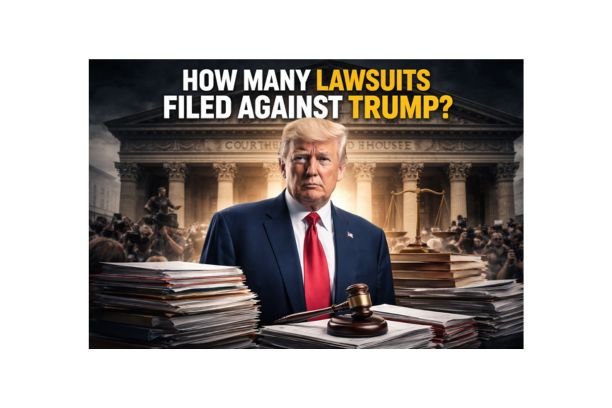
Since Donald Trump returned to the White House in January 2025, his administration has faced an extraordinary wave of legal challenges. Lawsuits have been filed at a pace rarely seen in modern U.S. history, targeting executive orders, agency directives, funding decisions, and regulatory changes. By early 2026, the volume, speed, and scope of litigation against the Trump administration had turned the federal courts into a central battleground over presidential power.
This article explains how many lawsuits have been filed, who is filing them, what they are about, and why this legal surge matters, offering a clearer and more complete picture than surface-level lawsuit counts.
The Overall Lawsuit Count: A Historic Volume
By the end of 2025, well over 500 lawsuits had been filed against the Trump administration in federal courts. These cases span nearly every major policy area and involve plaintiffs ranging from state governments to nonprofit organizations, businesses, universities, and individual citizens.
While some cases have been dismissed or consolidated, the vast majority remain active, meaning the legal impact of these challenges is ongoing and unresolved as 2026 continues. The scale alone places Trump’s second term among the most litigated presidential administrations in U.S. history.
Who Is Filing These Lawsuits?
State Governments Lead the Charge
State attorneys general have emerged as the most aggressive legal opponents of the administration. Democratic-led states in particular have coordinated lawsuits to challenge federal actions they argue exceed presidential authority or violate federal law.
Key characteristics of state-led litigation include:
- Multi-state coalitions filing joint lawsuits
- Repeated challenges from the same states across multiple policy areas
- A focus on constitutional limits and statutory compliance
Some states have filed dozens of lawsuits individually, making them persistent players in federal court.
Civil Rights and Advocacy Organizations
Civil rights groups, labor organizations, healthcare advocates, and education-focused nonprofits account for a large portion of filings. These lawsuits typically argue that new federal policies:
- Discriminate against protected groups
- Violate due process or equal protection guarantees
- Conflict with existing federal statutes
- Overstep agency authority
Many of these cases seek nationwide injunctions, which would block policies across the entire country rather than in a single jurisdiction.
Businesses, Universities, and Institutions
Corporate entities, trade groups, and academic institutions have also gone to court, particularly over:
- Federal funding freezes or clawbacks
- Contract cancellations
- Regulatory rollbacks affecting operations
- Immigration rules affecting international workers and students
Universities have been especially active, challenging changes to grant programs, research funding, and compliance requirements tied to federal aid.
What Are These Lawsuits About?
1. Executive Orders and Presidential Authority
A significant number of lawsuits challenge the legality of executive orders, arguing that they bypass Congress or exceed authority granted under existing laws. Courts are being asked to determine where presidential discretion ends and legislative power begins.
2. Immigration and Border Enforcement
Immigration policy remains one of the most heavily litigated areas. Lawsuits target:
- Deportation procedures
- Asylum restrictions
- Federal-state cooperation mandates
- Enforcement priorities and funding
These cases often involve constitutional claims as well as challenges under immigration statutes.
3. Federal Funding and Spending Decisions
Many lawsuits focus on the administration’s decisions to pause, reduce, or condition federal funding. Plaintiffs argue that these actions unlawfully pressure states and institutions to comply with policy preferences not authorized by Congress.
Education, healthcare, environmental programs, and social services are frequent flashpoints.
4. Civil Rights and Workplace Policies
Changes to federal policy affecting workplace protections, diversity initiatives, and discrimination enforcement have generated extensive litigation. Plaintiffs argue that certain actions roll back long-standing protections or conflict with existing civil rights laws.
5. Education Policy and School Governance
Education-related lawsuits form a substantial subset of cases. These disputes involve:
- Conditions placed on federal education funding
- Program eligibility changes
- Restrictions tied to curriculum, hiring, or institutional policies
Both K–12 systems and higher education institutions are involved.
How Many Cases Have Been Resolved?
Despite the high filing volume, only a relatively small percentage of lawsuits have reached final resolution. Most cases are still moving through:
- Preliminary injunction hearings
- Appeals
- Jurisdictional challenges
Several policies remain temporarily blocked or partially enforced while courts deliberate. Final rulings in appellate courts — and potentially the Supreme Court — may take years.
How This Compares to Other Presidents
While legal challenges are common for any administration, the pace and scale of litigation during Trump’s second term stand out:
- Lawsuits were filed within days or weeks of major policy announcements
- Broad, nationwide injunction requests became routine
- States adopted a coordinated legal strategy across multiple issues
Legal scholars widely view this period as a stress test for the U.S. separation of powers framework.
Why These Lawsuits Matter
The significance of these cases extends beyond Donald Trump personally. Court rulings will likely:
- Define the limits of executive power for future presidents
- Clarify the role of states in challenging federal authority
- Shape how quickly administrations can implement major policy shifts
- Influence congressional oversight and legislative drafting
The outcomes may permanently alter how executive actions are reviewed and restrained in the future.
What to Expect Going Forward
As 2026 progresses, more lawsuits are expected, especially as new regulations and executive directives are introduced. Key trends to watch include:
- Consolidation of similar cases in appellate courts
- Increased Supreme Court involvement
- Legal precedent emerging from early rulings
Even if some policies survive court challenges, the legal scrutiny itself continues to shape how the administration governs.
Final Takeaway
By early 2026, hundreds of lawsuits — well over 500 — have been filed against Donald Trump and his administration, making this one of the most legally contested presidencies in modern American history. The litigation spans immigration, education, civil rights, funding, and executive authority, with most cases still unresolved.
Rather than slowing, the legal challenges show no sign of stopping — ensuring that the courts will remain a decisive arena in shaping the Trump administration’s legacy.