Introduction: The Financial Reality of Personal Injury Claims
When someone is injured because of another person’s negligence, the physical and emotional toll is immediate. But closely following the injury is the financial burden: medical expenses, lost income, property damage, and rehabilitation costs can quickly spiral out of control.
The hardest truth in personal injury law is that the value of a claim is often limited not by how badly the victim was injured, but by how much insurance coverage the at-fault party actually possesses.
This is where liability limit tracing becomes an essential, non-negotiable part of the claims process. It is the investigative step taken by attorneys and insurance professionals to uncover exactly how much financial backing is available before any settlement negotiations begin. Without accurate information about insurance limits, injured individuals risk accepting settlements that do not fully cover their losses or completely overlooking hidden sources of compensation.
| Case Study: The Difference a Trace Makes Imagine you are severely injured by a driver who ran a red light, resulting in $150,000 in medical bills and lost wages. |
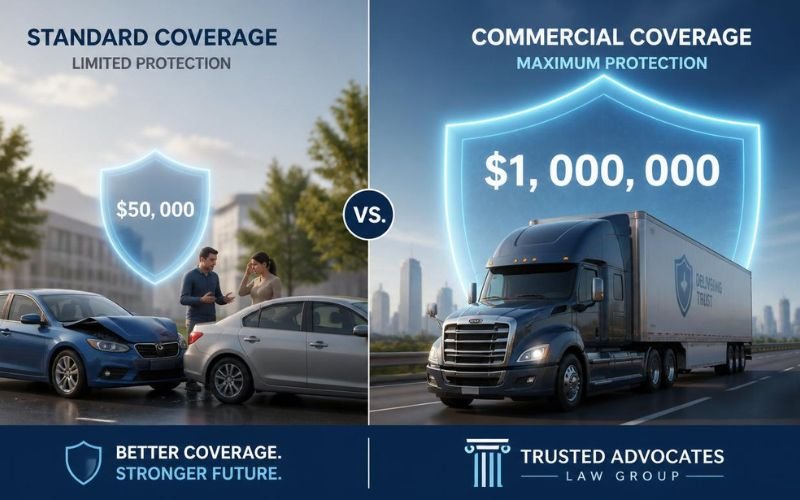
A superficial look at the at-fault driver’s personal auto insurance reveals a bodily injury limit of just $50,000. If you accept this and close the case, you are left to pay the remaining $100,000 out of pocket.
However, an attorney conducts a thorough liability limit trace and discovers the driver was delivering a package for a major logistics company at the moment of the crash. This critical detail triggers the employer’s commercial liability policy, which carries a $1,000,000 limit. Thanks to the trace, your medical bills are fully covered, and you receive proper compensation for pain and suffering.
What Is Liability Limit Tracing?
At its core, liability limit tracing is the active, investigative process of identifying all applicable insurance policies tied to an incident and determining the maximum amount those insurers are contractually obligated to pay for a covered claim.
Every liability insurance policy has a cap—a maximum dollar amount the insurer will pay out. Instead of relying solely on the information the at-fault party voluntarily provides, a proper trace involves gathering documentation, reviewing public records, and actively hunting for every applicable source of coverage. The goal is to establish the absolute ceiling of financial protection available to the injured party.
The Nuance: Policy Tracing vs. Comprehensive Investigations
In the legal and insurance fields, you may hear professionals use terms like policy limit tracing and policy limit investigations. While often used interchangeably, understanding the slight difference in their scope is helpful:
- Basic Policy Tracing (The “What”): This is a targeted search to confirm the details of a known policy. If you know the at-fault driver has State Farm, a policy trace verifies the specific bodily injury limits, property damage limits, and policy exclusions of that specific contract.
- Liability Limit Investigations (The “Who Else”): This is a much broader, proactive hunt. It assumes the primary policy isn’t the only one out there. Investigators look beyond the obvious at-fault individual to find third-party liability. They search for:
- Umbrella Policies: Excess coverage purchased by high-net-worth individuals.
- Employer Liability (Vicarious Liability): Commercial policies covering employees on the clock.
- Multiple Defendants: Shared fault among contractors, vehicle owners, or property managers.
By combining basic policy verification with a wide-net liability investigation, professionals ensure that no money is left on the table.
Why Liability Limit Tracing Matters in Personal Injury Claims
The value of a personal injury claim depends on more than proving that another party was negligent. It also depends on whether sufficient insurance coverage exists to compensate the injured person for their losses.
Liability limit tracing provides valuable information that helps claimants and their legal representatives make informed decisions throughout the claims process.
Identifies Available Compensation
The primary purpose of liability limit tracing is to identify every available insurance policy that may contribute to the settlement or judgment.
For example, if a defendant has only minimum automobile liability insurance but also carries a personal umbrella policy, the available compensation could be substantially higher than initially expected.
Supports Accurate Settlement Negotiations
Insurance companies generally evaluate claims based on the available policy limits. Knowing those limits allows attorneys to negotiate from a position of strength rather than relying on assumptions.
When policy limits are clearly established, both sides can have more realistic expectations during settlement discussions.
Prevents Overlooking Additional Coverage
Some accidents involve multiple responsible parties or several insurance policies.
Examples include:
- Multi-vehicle collisions
- Construction site accidents
- Commercial vehicle crashes
- Premises liability cases
- Product liability claims
Liability limit tracing helps ensure that every potential source of insurance coverage is considered before resolving the claim.
Helps Evaluate Litigation Strategy
Understanding available insurance coverage also influences legal strategy.
If the available insurance limits appear insufficient to cover significant damages, attorneys may investigate:
- Additional liable parties
- Employer responsibility
- Business ownership
- Third-party negligence
- Umbrella insurance policies
This broader investigation can significantly affect the overall recovery available to an injured individual.
Situations Where Liability Limit Tracing Is Commonly Used
Although liability limit tracing is frequently associated with automobile accidents, it plays an important role in many different types of insurance claims.
|
Each of these situations can involve multiple insurance carriers, making a comprehensive liability limit tracing process an important step in pursuing fair compensation.
Even relatively straightforward accidents may involve additional insurance policies that are not immediately obvious. For example, a delivery driver involved in a crash could be covered under both a personal auto policy and a commercial policy provided by an employer. Similarly, a homeowner may carry both a standard homeowners insurance policy and a separate umbrella liability policy that increases available coverage.
Because every case presents unique facts, identifying all applicable insurance policies through careful liability limit tracing can help ensure that no potential source of recovery is overlooked.
How Liability Limit Tracing Works
Liability limit tracing follows a structured process designed to identify every insurance policy that may provide compensation after an accident. While the exact steps vary depending on the type of claim and the parties involved, the overall objective is to build a complete picture of the available insurance coverage.
Step 1: Gather Initial Claim Information
The process begins with collecting all available details about the incident. Accurate information helps narrow the search and identify the parties who may carry applicable insurance.
Key information typically includes:
- Date and location of the accident
- Police or incident report
- Names and contact information of the involved parties
- Vehicle identification numbers (VINs), if applicable
- Property ownership records
- Employer information
- Witness statements
- Photographs and supporting evidence
The more complete the information, the easier it is to conduct an effective policy trace.
Step 2: Identify All Potentially Liable Parties
Not every accident involves only one responsible party. A thorough investigation determines whether additional individuals or organizations may share liability.
Examples include:
- Employers responsible for employee actions
- Commercial vehicle owners
- Property owners
- Contractors or subcontractors
- Product manufacturers
- Government entities
- Business operators
Each responsible party may have its own liability insurance policy, increasing the potential sources of compensation.
Step 3: Locate Applicable Insurance Policies
Once the responsible parties have been identified, the next step is locating all insurance policies that may provide coverage.
Depending on the circumstances, this may include:
- Personal automobile insurance
- Commercial auto insurance
- Homeowners insurance
- Renters insurance
- Business liability insurance
- Professional liability insurance
- General liability policies
- Umbrella liability policies
- Excess liability coverage
In complex claims, multiple insurance carriers may become involved, making this one of the most important stages of liability limit tracing.
Step 4: Verify Policy Limits
Finding an insurance policy is only part of the process. The next step is confirming the actual coverage limits available under each policy.
This includes reviewing:
- Bodily injury liability limits
- Property damage liability limits
- Per-person limits
- Per-accident limits
- Aggregate coverage limits
- Policy exclusions
- Coverage endorsements
Understanding these limits helps determine whether the available insurance is sufficient to cover the damages being claimed.
Step 5: Look for Additional or Umbrella Coverage
Many individuals and businesses purchase umbrella or excess liability insurance that extends coverage beyond the limits of their primary policy.
For example:
A driver may carry:
- Auto liability coverage of $250,000
- Umbrella liability coverage of $1 million
Without comprehensive policy limit investigations, this additional coverage could easily be overlooked.
Commercial businesses often maintain multiple layers of liability insurance, particularly in cases involving trucking companies, construction firms, healthcare providers, and large corporations.
Step 6: Review State Disclosure Requirements
Insurance disclosure rules vary by state. In some jurisdictions, insurers may disclose policy limits upon request under certain circumstances, while in others, disclosure may require formal legal procedures.
Understanding these requirements can help attorneys determine the most effective way to obtain insurance information during settlement negotiations or litigation.
Step 7: Use the Findings During Settlement Negotiations
Once liability limit tracing is complete, the information becomes a valuable part of the negotiation strategy.
Knowing the available insurance coverage allows attorneys to:
- Estimate realistic settlement ranges
- Determine whether additional claims should be pursued
- Evaluate litigation risks
- Decide whether accepting a settlement offer is appropriate
A complete understanding of available coverage often leads to more informed decisions throughout the claims process.
What Information Is Needed for a Policy Trace?
The success of a policy limit tracing investigation often depends on the quality of the information available at the beginning of the claim.
Common documents and details include:
- Police or accident report
- Claim number
- Names of all involved parties
- Driver’s license information
- Vehicle registration details
- Vehicle Identification Number (VIN)
- License plate numbers
- Insurance company information, if known
- Property ownership records
- Business ownership information
- Medical records related to the claim
- Employment records, when applicable
- Witness statements
- Photographs from the accident scene
- Correspondence with insurance companies
Having these records organized can make the tracing process more efficient and reduce delays.
Challenges in Liability Limit Tracing
Although the concept appears straightforward, liability limit tracing can become complicated, especially when multiple insurers or responsible parties are involved.
Some of the most common challenges include:
Multiple Insurance Policies
Several policies may apply to a single accident, making it difficult to determine which insurer is responsible for paying the claim.
Limited Information
Incomplete accident reports or missing insurance details can slow the tracing process and require additional investigation.
Coverage Disputes
Insurance companies may disagree over which policy should respond first or whether a claim falls within the policy’s terms.
Undisclosed Umbrella Policies
Umbrella insurance is not always immediately apparent and may require additional investigation to identify.
Corporate Ownership Structures
Business-related claims can involve parent companies, subsidiaries, contractors, and subcontractors, each carrying separate insurance coverage.
State-Specific Insurance Laws
Insurance disclosure requirements differ by jurisdiction, affecting how quickly policy information can be obtained.
Because of these challenges, accurate documentation and a systematic investigation are essential to obtaining a complete picture of available insurance coverage.
Can Insurance Companies Refuse to Disclose Policy Limits?
Whether an insurance company must disclose policy limits depends on the laws of the state where the claim is being handled and the circumstances surrounding the request.
In some states, insurers are required to disclose policy limits after receiving a valid written request or when certain legal requirements are met. In other jurisdictions, disclosure may not occur until formal litigation begins or the discovery process is underway.
Insurance companies may also request supporting documentation before releasing policy information, particularly when liability or damages remain in dispute.
When policy limits are not voluntarily disclosed, attorneys may obtain the information through legal procedures such as discovery requests, subpoenas, or court orders, depending on the applicable rules.
Understanding these legal requirements is an important part of effective liability limit tracing because access to accurate policy information can significantly influence settlement discussions and litigation strategy.
Who Performs Liability Limit Tracing?
Liability limit tracing often requires a combination of legal, insurance, and investigative knowledge. Depending on the nature of the claim, several professionals may be involved in identifying insurance coverage and confirming policy limits.
Personal Injury Attorneys
Personal injury attorneys frequently conduct or oversee liability limit tracing to determine the insurance resources available to satisfy a claim. They review accident reports, communicate with insurers, request policy disclosures where permitted, and identify whether additional parties or policies may provide coverage.
Insurance Adjusters
Insurance adjusters evaluate claims on behalf of insurance companies. As part of their investigation, they review policy information, verify coverage, and determine whether the claim falls within the policy’s terms and limits.
Claims Investigators
Claims investigators gather evidence related to the accident and may help locate insurance information that is not immediately available. Their work can include reviewing public records, interviewing witnesses, and identifying potentially responsible parties.
Litigation Support Professionals
In complex lawsuits involving multiple insurers or high-value claims, litigation support professionals assist attorneys by organizing insurance records, tracking policy information, and managing claim documentation.
Private Investigators
Although not necessary in every case, private investigators may be retained when insurance information is difficult to obtain or when there are questions about business ownership, vehicle ownership, or other facts affecting liability.
Each professional contributes to ensuring that all available insurance coverage is identified before settlement negotiations or trial.
Benefits of Accurate Liability Limit Tracing
A thorough liability limit tracing process offers several advantages for both claimants and legal professionals.
Improves Settlement Negotiations
Knowing the available insurance coverage allows both parties to negotiate based on accurate financial information rather than assumptions.
Identifies Additional Sources of Compensation
Tracing can uncover multiple policies, umbrella coverage, or insurance carried by additional liable parties that may increase the funds available to resolve the claim.
Supports Better Case Evaluation
Understanding policy limits helps attorneys assess whether the available insurance is likely to cover the claimed damages or whether other legal strategies should be considered.
Reduces Delays
Identifying insurance coverage early in the claims process can reduce unnecessary requests for information and streamline settlement discussions.
Helps Avoid Incomplete Settlements
Settling a claim before identifying all available insurance coverage may leave injured individuals without access to compensation that could have been available through another policy.
Strengthens Litigation Planning
When settlement negotiations are unsuccessful, liability limit tracing provides valuable information that can guide litigation strategy, including identifying additional defendants or insurance carriers.
Common Mistakes to Avoid During Liability Limit Tracing
Even experienced professionals can encounter challenges when investigating insurance coverage. Avoiding these common mistakes can lead to a more complete and accurate assessment.
Assuming Only One Insurance Policy Exists
Some accidents involve several insurance policies, particularly those involving commercial vehicles, businesses, or multiple property owners.
Ignoring Umbrella Liability Coverage
Umbrella policies provide additional liability protection beyond primary insurance limits. Failing to investigate these policies may reduce the potential compensation available.
Overlooking Additional Liable Parties
Employers, contractors, property owners, or product manufacturers may share legal responsibility for an accident and carry separate insurance coverage.
Failing to Document Communications
Maintaining records of correspondence with insurers, attorneys, and investigators helps create a clear timeline and supports future negotiations or litigation.
Relying Solely on Verbal Statements
Insurance information should be verified through official documentation whenever possible. Verbal representations alone may not accurately reflect available coverage.
Delaying the Investigation
Waiting too long to begin policy limit investigations can make it more difficult to obtain records, locate witnesses, or preserve important evidence.
Frequently Asked Questions
What is liability limit tracing?
Liability limit tracing is the process of identifying liability insurance policies and determining the maximum coverage available to compensate an injured party after an accident or other covered event.
What is a policy trace?
A policy trace involves locating insurance policies that may apply to a claim and verifying details such as the insurer, policy number, coverage type, and liability limits.
Is liability limit tracing only used in personal injury cases?
No. While it is commonly associated with personal injury claims, liability limit tracing may also be used in property damage claims, commercial disputes, construction accidents, professional liability matters, and other situations involving insurance coverage.
How long does policy limit tracing take?
The timeline depends on the complexity of the case. Straightforward claims may require only a few days, while cases involving multiple insurers, businesses, or commercial policies can take several weeks.
Can there be more than one applicable insurance policy?
Yes. Depending on the circumstances, several policies may apply to a single claim. These can include personal liability insurance, commercial liability coverage, employer insurance, homeowners insurance, and umbrella liability policies.
What happens if the available policy limits are not enough?
If the damages exceed the available insurance coverage, attorneys may investigate additional liable parties, umbrella insurance policies, or other legal avenues for recovering compensation. In some situations, the injured party may also pursue a judgment directly against the responsible individual or entity, subject to applicable law.
Are policy limits always disclosed by insurance companies?
Not always. Disclosure requirements vary by jurisdiction. Some insurers provide policy limit information upon request when permitted by law, while others may disclose it only during litigation or through formal legal procedures.
Why are policy limit investigations important?
Policy limit investigations help ensure that all available insurance coverage is identified before a claim is resolved. This information supports informed settlement decisions and reduces the risk of overlooking potential sources of compensation.
Conclusion
Liability limit tracing is an important part of evaluating insurance coverage after an accident or other liability claim. By identifying applicable insurance policies, verifying coverage limits, and investigating potential additional sources of compensation, it provides a clearer understanding of the financial resources that may be available to resolve a claim.
Whether the case involves a motor vehicle accident, a premises liability claim, a commercial dispute, or another type of incident, accurate policy limit tracing helps support informed decision-making throughout the claims process. It also enables attorneys, insurers, and claimants to assess settlement options more effectively and determine whether additional insurance coverage should be explored.
While every claim presents unique circumstances, a careful and well-documented approach to policy limit investigations can reduce uncertainty and help ensure that no relevant insurance coverage is overlooked. Understanding how liability limit tracing works allows individuals and legal professionals to make better-informed decisions and pursue claims with greater confidence.