
Privacy lawsuits involving major technology companies are becoming increasingly common, but few have attracted as much attention from cybersecurity researchers and digital privacy advocates as the Meta Android user tracking class action. Unlike earlier disputes over cookies or advertising identifiers, this case centers on allegations that Meta exploited a little-known Android communication mechanism to connect users’ mobile web browsing activity directly to their Facebook and Instagram accounts.
The lawsuit alleges that Meta’s tracking technology bypassed Android’s normal privacy architecture by using localhost communication ports—an approach that researchers say undermined the operating system’s sandboxing protections. Plaintiffs also argue that Google’s Android design made the alleged tracking possible, leading to negligence claims against Google alongside privacy claims against Meta. Both companies deny wrongdoing.
The case gained national attention after U.S. District Judge Rita F. Lin allowed most of the plaintiffs’ claims to move forward instead of dismissing them at an early stage. Although the ruling does not determine that Meta or Google violated the law, it allows the litigation to proceed into discovery, where both sides can gather evidence and present their arguments.
For millions of Android users, the lawsuit raises important questions about online privacy, targeted advertising, user consent, and whether existing mobile privacy protections are sufficient in today’s digital ecosystem.
What Is the Meta Android User Tracking Class Action?
The Meta Android user tracking class action is a proposed class action filed on behalf of Android users who allege that Meta secretly collected and linked their mobile web browsing activity to their Facebook or Instagram accounts without obtaining meaningful consent.
According to the complaint, Meta allegedly modified its widely used Meta Pixel tracking technology to transmit browsing information from Android browsers directly to installed Meta apps. Plaintiffs claim this allowed Meta to identify users with far greater certainty than traditional web tracking methods.
The lawsuit seeks damages and other legal remedies for alleged violations of federal and California privacy laws. The court has not yet ruled on whether these allegations are true.
Who filed the lawsuit?
The consolidated litigation began after cybersecurity researchers publicly disclosed the alleged tracking method in June 2025. Lead plaintiff Devin Rose and other Android users filed suit shortly afterward, seeking to represent millions of potentially affected Android users across the United States.
Who is being sued?
The lawsuit names two major technology companies, but the legal theories against each differ.
- Meta Platforms, Inc. is accused of unlawfully collecting Android users’ browsing information through tracking technology without adequate consent. Plaintiffs assert claims including invasion of privacy, intrusion upon seclusion, and violations of California wiretapping laws.
- Alphabet Inc. and Google are also named as defendants. Rather than alleging Google directly conducted the tracking, plaintiffs argue Google negligently designed aspects of Android in a way that allegedly allowed Meta to exploit the operating system’s architecture. Google denies liability.
Why was the lawsuit filed?
According to the plaintiffs, Meta allegedly:
- Collected browsing information without meaningful user consent.
- Circumvented expected Android privacy protections.
- Linked anonymous web activity to Facebook and Instagram accounts.
- Used the resulting information to improve advertising profiles.
Meta disputes these allegations and argues that its privacy disclosures informed users about its data collection practices.
Why the Lawsuit Focuses on Android Pixel Tracking
At the center of the case is the Meta Pixel, one of the most widely deployed advertising technologies on the internet.
A tracking pixel is a small snippet of code embedded in a website. When someone visits that website, the code can send technical information—such as page visits, browser details, or advertising identifiers—to the company operating the pixel.
Tracking pixels themselves are common and lawful when used in compliance with applicable privacy laws. The lawsuit does not claim that tracking pixels are inherently illegal. Instead, it challenges the specific method allegedly used to connect Android users’ browsing activity with their Meta accounts.
Understanding Android’s sandboxing system
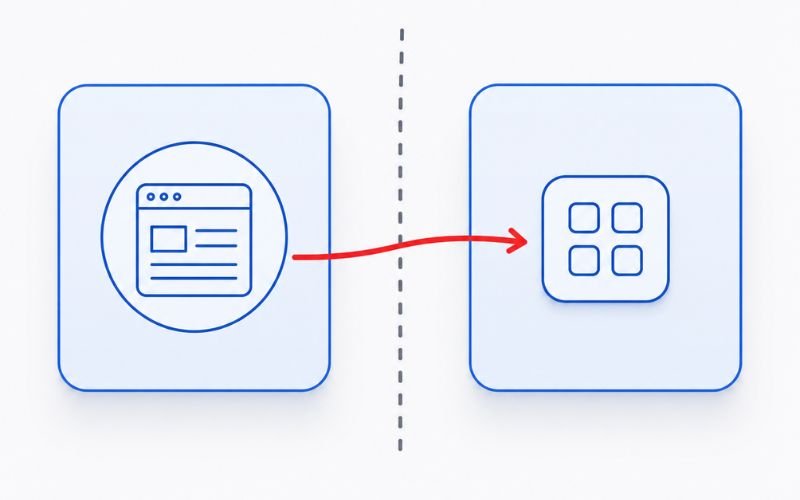
Modern mobile operating systems rely on a security principle known as sandboxing.
Sandboxing isolates applications from one another so that one app generally cannot access another app’s private data without permission. For example, your web browser and the Facebook app normally operate in separate environments designed to prevent unauthorized sharing of information.
This separation is considered a core privacy feature of Android and other mobile operating systems.
The alleged localhost tracking method
According to the complaint, Meta allegedly modified its Pixel code to exploit localhost communication ports within Android devices.
Localhost is typically used by developers to test applications or enable internal communication on a device. Plaintiffs allege that Meta used these internal communication channels to allow websites containing the Meta Pixel to communicate directly with installed Facebook or Instagram apps.
The complaint claims this created a hidden pathway that linked users’ mobile browsing activity with their Meta identities—even when they were not logged into Meta through their browser. Researchers who disclosed the alleged technique described it as a novel form of web-to-app tracking that bypassed traditional browser privacy boundaries. Meta later announced it had paused use of the method after it became public.
If proven, the plaintiffs argue that this conduct went far beyond ordinary online advertising and effectively undermined Android’s expected privacy protections.
Meta denies that its conduct violated the law, and the court has not made any findings on the merits of the allegations.
What the Court Decided
A major turning point in the litigation came in May 2026, when U.S. District Judge Rita F. Lin of the Northern District of California largely denied Meta’s and Google’s motions to dismiss.
The decision does not determine that either company is liable. Instead, it concludes that the plaintiffs alleged sufficient facts for much of the lawsuit to proceed into discovery.
Judge Lin rejected Meta’s argument that its privacy policy automatically established user consent. She wrote that a reasonable user could plausibly interpret the policy as not disclosing that Meta would allegedly create a “backdoor” linking Android browsing activity to Meta accounts with near certainty.
The court also found that plaintiffs had plausibly alleged a “highly offensive intrusion” into their privacy if the alleged conduct is ultimately proven. Regarding Google, Judge Lin allowed a negligence claim to proceed, concluding that plaintiffs had plausibly alleged Google designed Android in a way that could have permitted the alleged tracking.
Why the ruling matters
Surviving a motion to dismiss is a significant procedural victory in complex privacy litigation because many technology lawsuits end before discovery begins.
As a result of the ruling, the parties can now move forward with:
- Discovery of internal documents
- Technical evidence review
- Expert witness testimony
- Depositions
- Potential class certification proceedings
The court has not ruled that Meta or Google violated privacy laws. Instead, it determined that the allegations warrant further examination through the normal litigation process.
Timeline of the Lawsuit
| Timeframe | Case Milestone |
| June 2025 | Cybersecurity researchers publicly disclosed the alleged localhost tracking technique. Lead plaintiff Devin Rose filed a proposed class action the same day. |
| May 11, 2026 | Judge Rita F. Lin largely denied Meta’s and Google’s motions to dismiss, allowing most claims to proceed. |
| Following the ruling | The case entered the next phase of litigation, with discovery and other pretrial proceedings expected unless procedural appeals alter the timeline. |
The Main Allegations Against Meta and Google
Although the Meta Android user tracking class action is still in its early stages, the complaint presents several detailed allegations about how Meta’s advertising technology allegedly interacted with Android devices. The plaintiffs argue that the conduct went beyond conventional online advertising and crossed into unauthorized surveillance of users’ web activity.
It is important to emphasize that these allegations have not been proven in court. Both Meta and Google deny wrongdoing, and the litigation is ongoing.
Alleged Unauthorized Data Collection
The central allegation is that Meta collected browsing-related information from Android users without obtaining legally sufficient consent.
According to the complaint, websites containing the Meta Pixel allegedly transmitted data to installed Meta apps through localhost communication channels. This process allegedly enabled Meta to associate a user’s browsing activity with their Facebook or Instagram identity with a high degree of certainty.
The plaintiffs argue that this allowed Meta to receive information that users reasonably believed would remain separate from their social media accounts.
Privacy and Wiretapping Claims
The lawsuit includes multiple legal claims based on federal and California privacy laws.
Among other allegations, plaintiffs contend that Meta:
- Violated California’s Invasion of Privacy Act (CIPA).
- Committed intrusion upon seclusion by allegedly monitoring private browsing activity.
- Intercepted electronic communications without adequate user consent.
- Collected information beyond users’ reasonable expectations.
Meta disputes these allegations and maintains that its privacy disclosures adequately informed users about its data collection practices.
Google’s Alleged Role
Unlike Meta, Google is not accused of operating the tracking technology itself.
Instead, plaintiffs allege that Google’s Android operating system contained design choices that made the alleged tracking possible.
Specifically, the complaint argues that Android’s handling of localhost communication allowed installed applications to receive information from web browsers without users’ knowledge.
Based on this theory, plaintiffs assert a negligence claim against Google, arguing that the company failed to design Android in a manner that adequately protected users from this type of alleged exploitation.
Google denies that its Android architecture was negligently designed and has argued that the claims should not result in liability.
Why This Case Is Different From Previous Privacy Lawsuits
Numerous privacy lawsuits have challenged technologies such as browser cookies, advertising identifiers, and web beacons. However, this litigation stands apart because of the technical mechanism at the center of the allegations.
According to the plaintiffs, the alleged tracking combined several technologies in a way that had not previously received widespread public attention:
- The Meta Pixel embedded on participating websites.
- Android’s localhost networking capabilities.
- Communication between mobile browsers and installed Meta apps.
- Identity matching using Facebook or Instagram account information.
Rather than relying solely on cookies or browser identifiers, the complaint alleges that Meta established a direct pathway between web browsing sessions and its mobile applications.
Cybersecurity researchers described the alleged localhost communication technique as unusual because it appeared to circumvent the normal separation between web browsers and mobile applications established by Android’s sandboxing architecture.
If the plaintiffs ultimately prove these allegations, the case could establish new legal standards for how companies deploy tracking technologies on mobile devices.
What Is the Google Pixel Lawsuit Connection?
Many people searching online for the Google pixel lawsuit assume the litigation involves Google’s Pixel smartphones. In reality, the phrase has become shorthand for Google’s involvement in the broader Android tracking dispute.
The lawsuit does not primarily challenge Google’s Pixel phone hardware.
Instead, Google’s connection stems from its role as the developer of the Android operating system, which allegedly allowed Meta’s tracking technique to function.
According to the complaint, Android’s architecture enabled communication through localhost ports that Meta allegedly used to connect browser activity with installed apps.
Because Android is developed by Google, plaintiffs argue the company shares responsibility for creating an operating environment that allegedly permitted the conduct.
Google rejects these allegations and argues that Android’s design complies with industry standards.
Meta’s Role vs. Google’s Role
Although both companies are defendants, the legal theories differ substantially.
| Meta | |
| Allegedly operated the tracking technology. | Allegedly designed aspects of Android that allowed the tracking. |
| Faces privacy and wiretapping claims. | Faces a negligence claim related to Android’s architecture. |
| Accused of linking browsing activity to Meta accounts. | Accused of failing to prevent the alleged exploit. |
Understanding this distinction is important because the court may ultimately reach different conclusions regarding each defendant’s legal responsibility.
How This Could Affect Android Users
Even though the litigation remains unresolved, the lawsuit has already sparked broader discussions about mobile privacy and digital advertising.
If the allegations are ultimately proven, the case could influence how technology companies collect user data and how Android devices handle communications between browsers and installed applications.
Potential Privacy Risks
The lawsuit raises concerns about whether users can always rely on built-in mobile privacy protections.
Potential issues highlighted by the complaint include:
- Browsing activity being associated with personal accounts.
- Greater visibility into users’ online behavior.
- Reduced transparency regarding third-party tracking.
- Expanded advertising profiles based on browsing history.
Again, these remain allegations that have not been proven in court.
Data Sharing Concerns
Many websites incorporate third-party advertising technologies from multiple companies.
As a result, users may unknowingly share information with advertising platforms while visiting ordinary websites.
The lawsuit has renewed attention on topics such as:
- Cross-site tracking.
- Third-party advertising networks.
- Data brokerage.
- Behavioral advertising.
- User consent.
Privacy advocates argue that consumers should have a clearer understanding of how this information is collected and shared.
Practical Steps Android Users Can Take
While the lawsuit continues, Android users who want to strengthen their privacy can consider:
- Keeping Android and apps updated.
- Reviewing browser privacy settings.
- Limiting ad personalization.
- Checking app permissions regularly.
- Using privacy-focused browsers where appropriate.
- Clearing cookies and browsing data periodically.
Although these measures cannot eliminate all online tracking, they may reduce certain forms of data collection.
Could Users Receive Compensation?
One of the most common questions surrounding the Meta Android user tracking class action is whether affected users could eventually receive financial compensation.
At this stage, the answer is unknown.
The lawsuit is still in active litigation, and no settlement or judgment has been reached.
Several outcomes remain possible:
- The parties could negotiate a settlement.
- The court could certify the lawsuit as a class action.
- The defendants could prevail on later motions.
- The case could proceed to trial.
- Appeals could follow any final decision.
If compensation ultimately becomes available, the court would typically establish an official claims process outlining eligibility requirements and filing deadlines.
Until then, Android users should be cautious of unofficial websites or social media posts claiming guaranteed settlement payments.
What Happens Next in the Meta Google Class Action?
Because the court allowed much of the lawsuit to proceed, the litigation now enters more substantive stages.
1. Discovery
During discovery, both sides exchange evidence, internal documents, emails, technical records, and expert reports.
This phase often reveals how disputed technologies were designed and implemented.
2. Expert Analysis
Technical experts will likely evaluate:
- Android’s localhost architecture.
- Meta Pixel functionality.
- Data transmission methods.
- Privacy implications.
- Alternative system designs.
Their findings could play a significant role later in the case.
3. Class Certification
The court must determine whether the lawsuit satisfies the legal requirements to proceed on behalf of a broader class of Android users.
Certification is not automatic and may become one of the most closely watched stages of the litigation.
4. Summary Judgment or Trial
Following discovery, either side may ask the court to resolve the case without a trial if they believe the evidence supports judgment in their favor.
If genuine factual disputes remain, the case could proceed to trial.
5. Potential Settlement
Like many complex technology and privacy lawsuits, the parties could choose to negotiate a settlement before trial.
However, no settlement has been announced, and there is no guarantee one will occur.
Frequently Asked Questions
What is the Meta Android user tracking class action?
The Meta Android user tracking class action is a proposed class action lawsuit alleging that Meta collected Android users’ web browsing data through a modified version of the Meta Pixel without obtaining meaningful consent. According to the complaint, the technology allegedly linked users’ mobile browsing activity to their Facebook or Instagram accounts by communicating with installed Meta apps through Android’s localhost ports. Meta denies the allegations, and the case remains ongoing.
What is the Google pixel lawsuit about?
Despite its name, the Google pixel lawsuit is not primarily about Google’s Pixel smartphones. Instead, it refers to Google’s role in the Android operating system. Plaintiffs allege that aspects of Android’s architecture allowed Meta’s alleged tracking method to function, leading to a negligence claim against Google. Google disputes these allegations and maintains that Android’s design complies with applicable standards.
Can Android users join the lawsuit?
Not at this time.
The court has not yet certified the lawsuit as a class action, and no official claims process exists. If the court later certifies a class or the parties reach a settlement, eligible Android users would typically receive instructions on how to participate or submit a claim.
Is Meta accused of bypassing Android privacy protections?
Yes. According to the complaint, Meta allegedly used localhost communication channels to bypass Android’s normal app sandboxing protections and connect users’ browsing activity with their Meta accounts. These allegations have not been proven, and Meta denies violating privacy laws.
Has the Meta Android user tracking class action been settled?
No.
As of publication, the lawsuit remains active in federal court. While Judge Rita F. Lin has allowed many of the plaintiffs’ claims to proceed, the court has not determined whether Meta or Google are legally liable. Discovery, class certification, and other pretrial proceedings are expected before any trial or potential settlement.
Why This Lawsuit Could Shape Future Digital Privacy Cases
Beyond the immediate allegations, this case may become an important test of how U.S. courts apply long-standing privacy laws to modern tracking technologies.
Unlike earlier disputes involving browser cookies or advertising identifiers, the plaintiffs allege that Meta used a technical method capable of bridging the traditional separation between web browsers and mobile applications. If courts ultimately find that such techniques violate privacy laws, technology companies may need to rethink how they collect data across mobile ecosystems.
The litigation could also influence:
- Future Android security architecture.
- Mobile browser privacy protections.
- Online advertising practices.
- User consent requirements.
- Regulatory enforcement related to digital tracking.
Because mobile devices have become the primary way people access the internet, decisions in this case could affect how companies balance personalized advertising with consumer privacy expectations.
Key Takeaways
If you’re following the Meta Android user tracking class action, here are the most important points to remember:
- The lawsuit alleges Meta used a modified Meta Pixel to connect Android users’ browsing activity with their Facebook or Instagram accounts through localhost communication.
- Google is also a defendant, facing a negligence claim related to Android’s alleged system design.
- Both Meta and Google deny the allegations.
- Judge Rita F. Lin largely denied the defendants’ motions to dismiss, allowing the case to move into discovery.
- The court has not ruled that either company violated the law.
- No settlement has been reached, and no compensation is currently available for users.
- The lawsuit could influence future privacy litigation involving mobile tracking technologies and user consent.
Conclusion
The Meta Android user tracking class action has quickly become one of the most closely watched privacy lawsuits involving mobile technology in the United States. At the center of the dispute are allegations that Meta used a sophisticated tracking method to associate Android users’ web browsing activity with their Facebook and Instagram accounts, while plaintiffs argue Google’s Android architecture enabled the alleged practice. Although both companies strongly deny wrongdoing, the federal court’s decision to allow many of the claims to proceed underscores the seriousness of the legal questions involved.
As the case moves through discovery and potential class certification, it may establish important precedents for how courts evaluate digital tracking, user consent, and mobile privacy protections. Regardless of the outcome, the litigation highlights the growing scrutiny facing technology companies over how personal data is collected, shared, and used in today’s connected world. Readers interested in the case should continue following official court filings and reputable legal news sources for future developments.