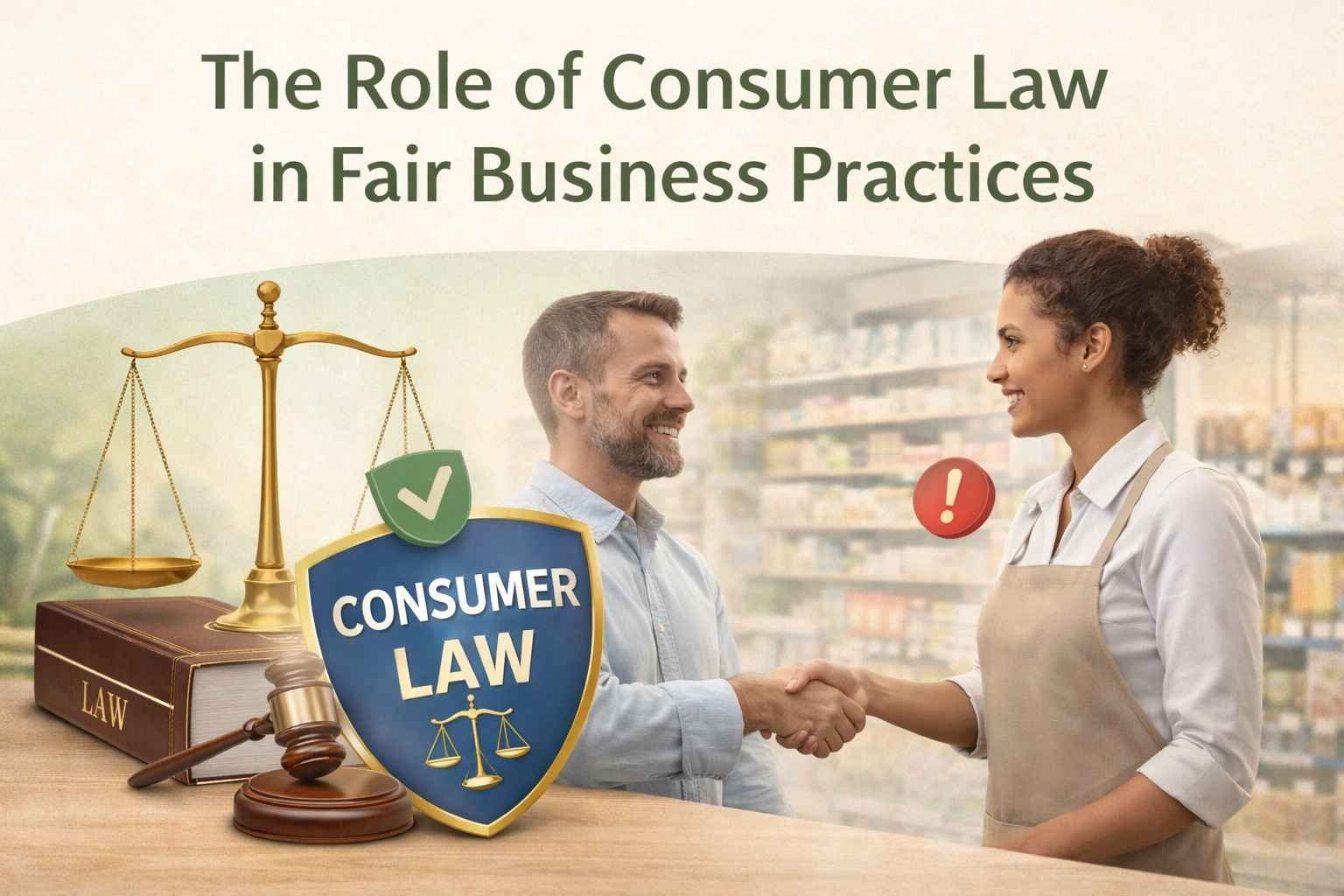
Consumer law plays a vital role in maintaining fairness, transparency, and trust between businesses and customers. In today’s fast-moving marketplace, consumers regularly purchase goods and services both online and offline. Without proper legal protection, buyers could easily be misled, exploited, or treated unfairly. Consumer law exists to prevent such practices and to ensure ethical behavior in business operations.
This article explains how consumer law supports fair business practices and why it is essential for both consumers and businesses.
What Is Consumer Law?
Consumer law is a branch of law designed to protect buyers from unfair, deceptive, or harmful business practices. It defines the rights of consumers and sets rules that businesses must follow when selling products or services. These laws aim to create a balanced relationship where consumers are treated honestly and businesses operate responsibly.
Consumer law typically covers areas such as product safety, pricing transparency, advertising standards, warranties, refunds, and complaint resolution.
Why Fair Business Practices Matter
Fair business practices are essential for a healthy economy. When businesses act ethically, consumers feel confident in making purchases, which leads to long-term trust and brand loyalty. On the other hand, unfair practices such as false advertising, hidden charges, or defective products damage consumer confidence and harm the market.
Consumer law ensures that businesses compete fairly, follow clear rules, and respect customer rights. This creates a level playing field where ethical companies can thrive without being undercut by dishonest competitors.
How Consumer Law Promotes Transparency
One of the key roles of consumer law is promoting transparency. Businesses are legally required to provide accurate information about their products and services. This includes clear pricing, correct descriptions, and honest advertising.
For example, consumer law prevents businesses from making false claims about product benefits or hiding important terms in fine print. When consumers receive truthful information, they can make informed decisions and avoid being misled.
Protection Against Unfair Trade Practices
Consumer law protects buyers from unfair trade practices such as fraud, misleading promotions, and pressure selling. It prohibits businesses from using deceptive methods to influence purchasing decisions.
Practices like fake discounts, exaggerated claims, or selling unsafe products are considered violations of consumer law. By enforcing strict rules, consumer law discourages unethical behavior and holds businesses accountable for their actions.
Ensuring Product Safety and Quality
Another important role of consumer law is ensuring that products and services meet basic safety and quality standards. Businesses are responsible for offering goods that are safe to use and fit for their intended purpose.
If a product is defective or dangerous, consumer law gives buyers the right to seek refunds, replacements, or compensation. This encourages businesses to maintain quality control and prioritize customer safety.
Supporting Consumer Complaint Resolution
Consumer law provides structured mechanisms for resolving disputes between consumers and businesses. When a customer faces an issue such as poor service, faulty goods, or unfair charges, consumer protection laws allow them to file complaints and seek legal remedies.
Many countries have consumer courts, helplines, or regulatory authorities dedicated to resolving consumer disputes. These systems ensure that consumers have access to justice without facing complex or expensive legal processes.
Benefits of Consumer Law for Businesses
While consumer law is often viewed as a tool for protecting buyers, it also benefits businesses. Companies that follow consumer laws build trust, credibility, and a positive reputation. Ethical practices lead to customer satisfaction, repeat business, and long-term growth.
Consumer law also helps businesses avoid legal penalties, fines, and reputational damage. Clear legal guidelines make it easier for companies to understand their responsibilities and operate within the law.
Consumer Law in the Digital Age
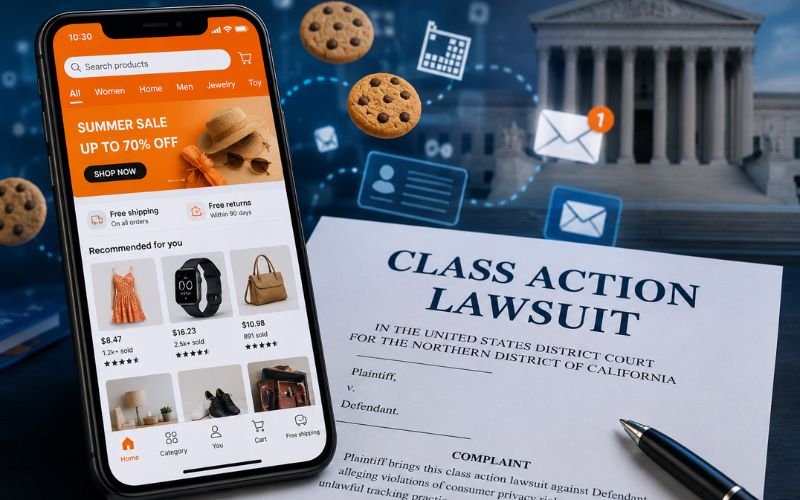
With the rise of online shopping and digital services, consumer law has become more important than ever. Online consumers face risks such as fake websites, misleading reviews, data misuse, and unclear return policies.
Modern consumer laws address these challenges by regulating online transactions, protecting personal data, and ensuring transparency in digital advertising. This helps create a safer online marketplace for consumers and ethical businesses alike.
Encouraging Responsible Consumer Behavior
Consumer law not only protects buyers but also encourages responsible consumer behavior. When consumers understand their rights, they are more likely to make informed choices, report unfair practices, and support ethical businesses.
Legal awareness empowers consumers to question misleading claims, demand accountability, and contribute to a fair and balanced market.
Conclusion
The role of consumer law in fair business practices is essential for maintaining trust, transparency, and accountability in the marketplace. By protecting consumers from unfair treatment and setting clear standards for businesses, consumer law promotes ethical trade and sustainable economic growth.
Fair business practices benefit everyone—consumers enjoy safety and confidence, while businesses gain loyalty and long-term success. As markets continue to evolve, consumer law will remain a crucial pillar in ensuring fairness, integrity, and balance in commercial relationships.